A new fishing season is upon us
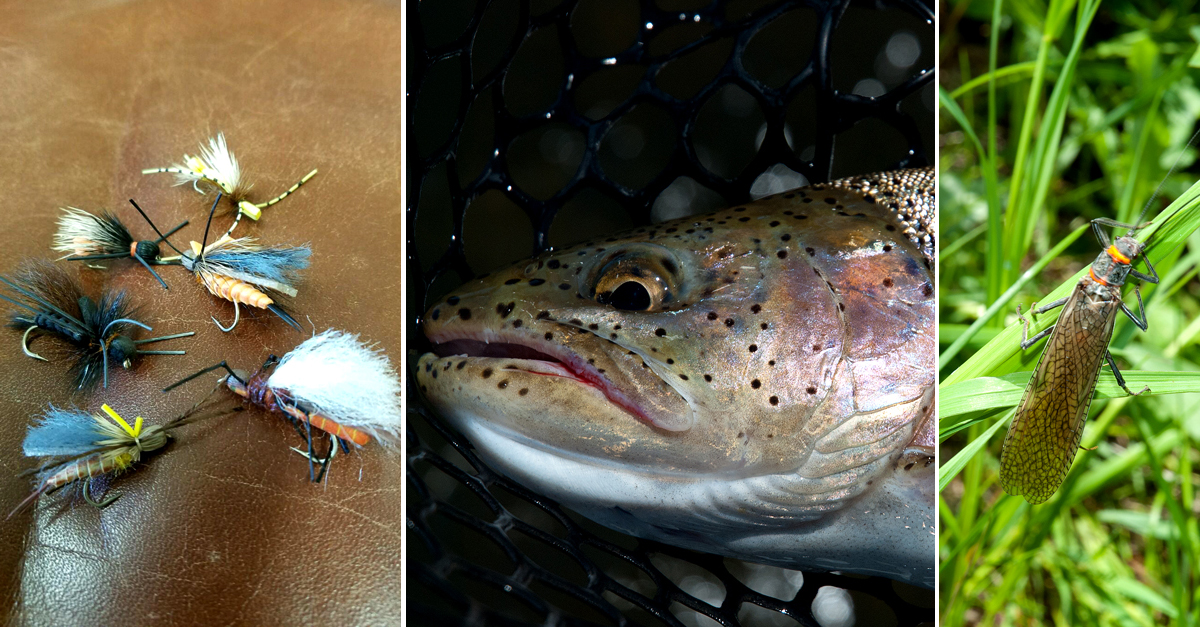
Some of our best fishing of the year is right around the corner. Our guides are primed for time on the water with clients, and the trout will soon be rising to an assortment of hatches on the pristine rivers of southwest Montana. If there is one hatch that anglers and guides alike look forward to most it is undoubtedly that of the giant salmonfly. These enormous stoneflies hatch in big numbers on the Gallatin, Madison, and Yellowstone. With good timing and a bit of luck, anglers can successfully chase the hatch on all three rivers. And make no mistake, chasing the hatch is a fitting description.
The big bugs typically come off first on the upper Madison
Followed shortly thereafter by the Gallatin and Yellowstone. The hatch on the Madison is the most reliable from a fishability standpoin, Water clarity is typically good when the hatch comes off in mid to late June. The Gallatin and Yellowstone are more of a gamble, as these freestone rivers can still be big and muddy when the giant stoneflies decide it’s time to hatch. But based upon current snowpack and river levels, we anticipate good fishing conditions on all three rivers for this year’s hatch.
The salmonfly hatch is fast and furious
Those who chase the hatch it seems that it’s over in the blink of an eye. But in reality an angler with the time to do so could follow the hatch for the better part of a month by bouncing from river to river and following the hatch as it progresses upriver. Here are a few tips for fishing the hatch:
- Follow the herd. Pay attention to where the bulk of anglers (and particularly the guides) are fishing and focus your efforts nearby.The salmonfly hatch progresses upriver incrementally day by day – it doesn’t come off all at once river wide.
- Stray from the herd. While it’s true that the hatch moves upriver at a steady clip, it can pay dividends to fish a few days behind the main hatch… there are often still a few of the big bugs around and even if there aren’t the fish certainly haven’t forgotten what they look like. And as a bonus you won’t have nearly as much competition since most anglers will be feverishly fishing the main hatch.
- Mix up your patterns. A few of our favorites include the True-Wing Salmonfly, the Barely Kicking Stone, Trina’s Carnage Salmonfly, and the Cat Puke. And don’t be afraid to throw a smaller golden stonefly or attractor pattern into the rotation.
- Get your fly under overhanging willows and tight to banks… you’ll lose some flies in the process, but this isn’t a time to play it safe.
- Nymph ahead of the hatch. It’s not as glamorous as taking fish on the surface on huge dries. So some of the most productive fishing during the salmonfly hatch can often be found by nymphing just ahead of the hatch. The fish often gorge on the huge nymphs as they migrate to the banks prior to hatching.
Hitting the salmonfly hatch just right is an incredible experience
Hitting it can take years of chasing the hatch to experience a truly epic day. You can put the odds in your favor by spending as much time as possible chasing the hatch, or if you only have a day or two to fish you’ll benefit from hiring an experienced guide. It’s not too late to reserve a day with one of our guides for this year’s salmonfly hatch, give us a call at 800-423-4742.
GALLATIN RIVER FISHING REPORT
Flows on the Gallatin River appear to have peaked for the year. The river will gradually drop and clear over the next couple of weeks.
The Gallatin remains in runoff mode
With big, muddy flows, it appears that the river peaked a couple of days ago. The Gallatin will gradually drop and clear over the next couple of weeks. We should have prime conditions for this year’s salmonfly hatch on the Gallatin. As snowmelt decreases over the next couple of weeks we’ll see water conditions steadily improve as we move into some of the best fishing of the year. So our guide calendar is filling quickly, drop us a line or give us a call (800-423-4742) to book your dream trip and let us do what we do best… put people on fish!
Currently:
Large nymphs or dead-drifted streamers in the #4-6 size range such as the Pat’s Rubber Leg’s.Bitch Creek, Yuk Bug, Mega Prince, San Juan Worm, Bow River Bugger or Sparkle Minnow.
Patterns to stock up on for post-runoff:
Dries:
Flutter Bug #6-8, Cat Puke (salmonfly & golden stonefly) #6-10), Rogue Stone (salmonfly and golden stonefly) #6-10. Chubby Chernobyl (Golden) #8-10, Stimulator (Yellow) #10-14, Elk Hair Caddis (Yellow/Tan/Olive) #14-16. X-Caddis (Olive) #14-16, Lime Trude #14-16, Sparkle Dun (PMD) #16-18, Purple Haze #14-18
Nymphs:
Pats’ Rubber Legs #8, Mega Prince #8, San Juan Worm (Red) #12, CDC Pheasant Tail #16-18. Pheasant Tail #16-18, Lightning Bug #16-18, Copper John #14-16, Beadhead Yellow Sally #14, CDC Emerger #14-18, Shop Vac #16
Streamers:
Sparkle Minnow #4-6, Bow River Bugger #4-6, Home Invader #2-6, McCune’s Sculpin#4, Gonga #4. Be sure to have an array of colors represented in your streamer box including: white, yellow, olive, natural/tan, and black.
UPPER MADISON FISHING REPORT
The upper Madison remains fishable and productive. The Madison above Lyons Bridge is currently a great option for the walk/wade angler.
The upper Madison remains fishable and productive
Throughout the walk/wade section (above Lyons Bridge) with water clarity that is fluctuating from day to day, but is currently in the 2- to 3-foot range. Visibility may diminish in the coming days as mud is working its way through Quake Lake from Cabin Creek and Beaver Creek. The West Fork continues to pump in a stripe of mud that reduces clarity on river left immediately below the confluence.Water clarity remains good on river right for a few miles below the West Fork.
Dry fly fishing remains a possibility
In the walk/wade stretch with lingering hatches of baetis and caddis. Some of our best dry fly fishing is right around the corner. The bulk of the action is currently on nymphs and streamers fished tight to the banks. The streamer bite has been really good over here this spring and that should continue for a few more weeks before low, clear flows change the game. Stonefly nymphs remain a top producer as these hatches are imminent. The mature nymphs are migrating toward the banks, right where the trout are currently hanging out. We’re anticipating excellent river conditions for this year’s salmonfly hatch on the Madison. So it’s not too late to get in on the action… call us today to talk shop and reserve your spot with one of our guides; there’s a beautiful stonefly-crushing rainbow out there with your name on it!
Nymphs:
Pats’ Rubber Legs #8, Mega Prince #8, Pheasant Tail #12 & #18, Soft-Hackle Lightning Bug #16-18.Lightning Bug #18, RS-2 #18-20, WD-40 #18, Shop Vac #16, $3 Dip #16-18, San Juan Worm #12
Dries:
Parachute Adams #18, Purple Haze #14-18, Sparkle Dun (olive) #18 and #12 (brown). X-Caddis #14-16, Elk Hair Caddis #14-16
Streamers:
Sex Dungeon #4, Circus Peanut #4, Barely Legal, Sparkle Minnow #4-6, Bow River Bugger #4-6. Home Invader #2-6, McCune’s Sculpin#4, Gonga #4. Be sure to have an array of colors represented in your streamer box. Including: white, yellow, olive, natural/tan, and black.
YELLOWSTONE RIVER FISHING REPORT
The Yellowstone is in full runoff mode, but it will gradually drop and clear over the next couple of weeks.
The Yellowstone is not going to be a great option for the next couple of weeks. The river is high, muddy, and dangerous to fish. Check back in a couple of weeks… you don’t want to miss that great post-runoff window on this river. As the ‘stone drops and clears it offers up some of the best fishing of the year on big dries and streamers fished tight to the banks.
Currently:
Large nymphs or dead-drifted streamers in the #4-6 size range such as the Pat’s Rubber Leg, Bitch Creek, Yuk Bug, Mega Prince, San Juan Worm, Bow River Bugger or Sparkle Minnow.
Patterns to stock up on for post-runoff:
Dries:
Flutter Bug #6-8, Cat Puke (salmonfly & golden stonefly) #6-10), Rogue Stone (salmonfly and golden stonefly) #6-10. Chubby Chernobyl (Golden) #8-10, Stimulator (Yellow) #10-14, Elk Hair Caddis (Yellow/Tan/Olive) #14-16, X-Caddis (Olive) #14-16. Lime Trude #14-16, Sparkle Dun (PMD) #16-18, Purple Haze #14-18
Nymphs:
Pats’ Rubber Legs #8, Mega Prince #8, San Juan Worm (Red) #12, CDC Pheasant Tail #16-18, Pheasant Tail #16-18. Lightning Bug #16-18, Copper John #14-16, Beadhead Yellow Sally #14, CDC Emerger #14-18, Shop Vac #16
Streamers:
Sex Dungeon #4, Circus Peanut #4, Barely Legal, Sparkle Minnow #4-6, Bow River Bugger #4-6, Home Invader #2-6, McCune’s Sculpin#4, Gonga #4. Be sure to have an array of colors represented in your streamer box. Including: white, yellow, olive, natural/tan, and black.
YELLOWSTONE NATIONAL PARK FISHING REPORT
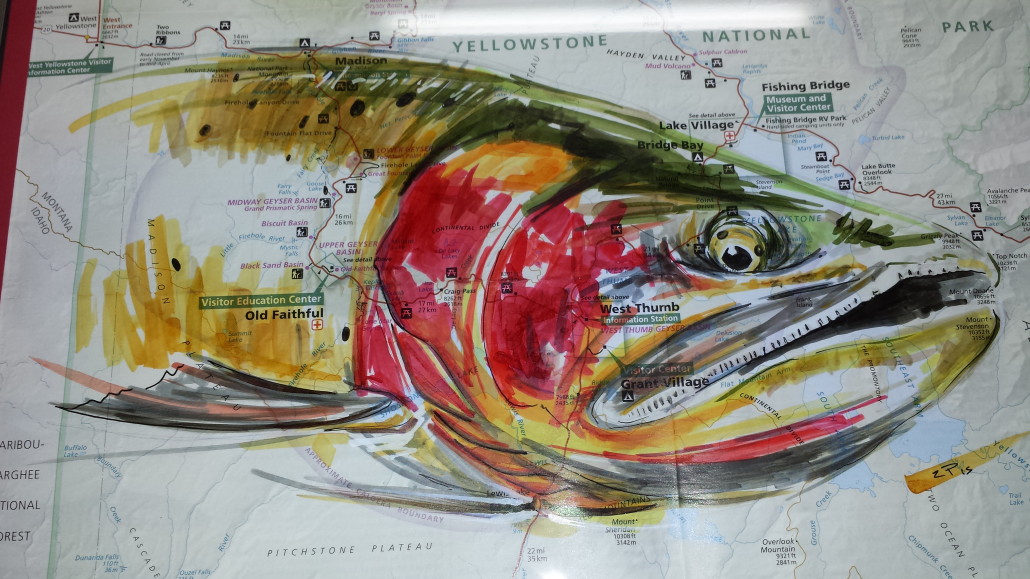
Yellowstone National Park is open to fishing, and the west-side rivers are fishing well.
The early season in Yellowstone.
Typically finds most of the park’s streams and rivers swollen with snowmelt, and that is currently the case. Many river systems such as the Yellowstone and its tributaries (the Lamar, Slough Creek, etc.) are virtually unfishable during the early portion of the park’s fishing season. The portion of the Gallatin River within the park is typically fishable from a clarity standpoint. So the river and its tributaries will be flowing high and water temperatures will be cold.
Some of the best early season fishing opportunities.
In the park some of the best early season fishing can be found along the Madison River. And its two primary tributaries: the Firehole River and the Gibbon River. These fisheries are located near the park’s west entrance and are go-to destinations for most of our guide trips in the park. Because the Firehole is a popular early-season destination for anglers, and for good reason. The flows are typically moderate and it’s a fairly safe bet that trout will be found rising to hatches of baetis, PMD’s and caddis. In the classic meadow water above the falls. Below the falls on the Firehole anglers may still find a few large, holdover fish that migrated up from Hebgen Lake during the fall spawning run. These fish can be taken on large stonefly nymphs imitating the giant salmonfly, a hatch that occurs in early June on the lower Firehole due to its thermal influence.
The Gibbon River
This river is a very diverse fishery that provides less reliable fishing early in the season. Some years it fishes very well early on, and during other years it is too high and off color to be productive. If conditions allow, anglers will do well nymphing below the falls with stonefly patterns, or with baetis imitations along the river’s upper meadow reaches.
Give us a call (800-423-4742) to discuss planning your own trip.
Dries: Adams #18-20, Sparkle Dun – Olive (baetis), Yellow (PMD) #18-20, Purple Haze #18-20, Light Cahill #16-18
Nymphs: Pheasant Tail #18-20, Soft-Hackle Pheasant Tail #18-20, CDC Emerger #18-20, Partridge & Olive Soft Hackle #18-20, Lightning Bug #18-20, WD-40 #18-20, RS-2 #18-20, Pat’s Rubber Leg #8

