As we say goodbye to July and welcome August the daytime high temperatures are in the high 80’s and low 90’s in the valleys and big, blue skies are the norm. The crack of dawn crowd is generally getting into the best fishing… day in and day out. A 7 am start is good. A 5 am start is better. Why not fish while it’s cool and then rest when it’s hot? Prep the coffee the night before and have your gear loaded up and ready to go… there’s no time to waste during the prime early-morning hours.
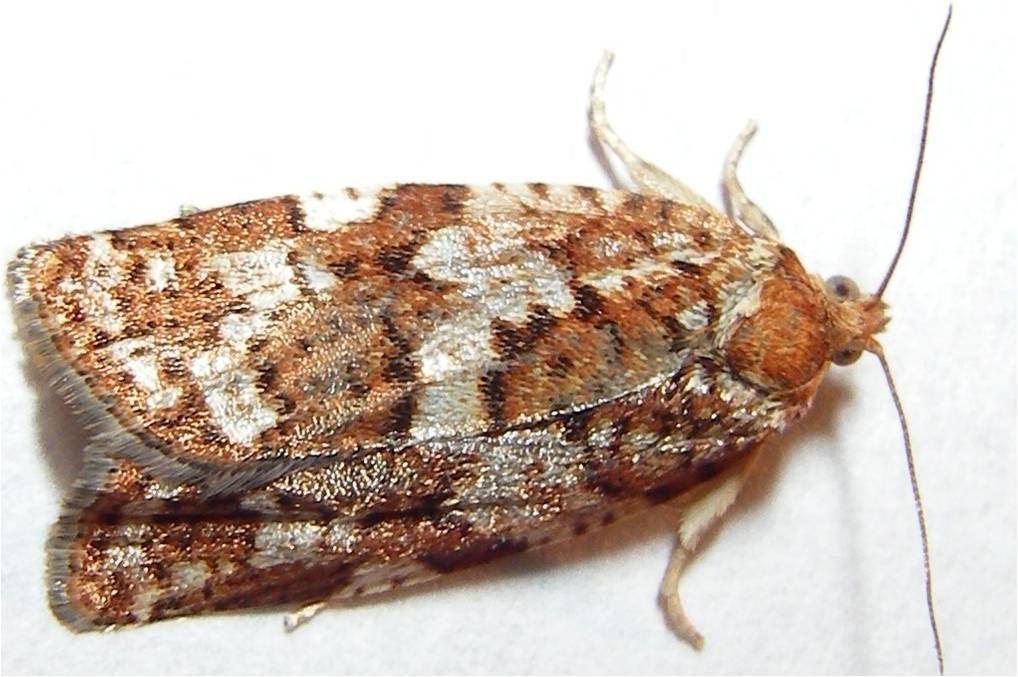
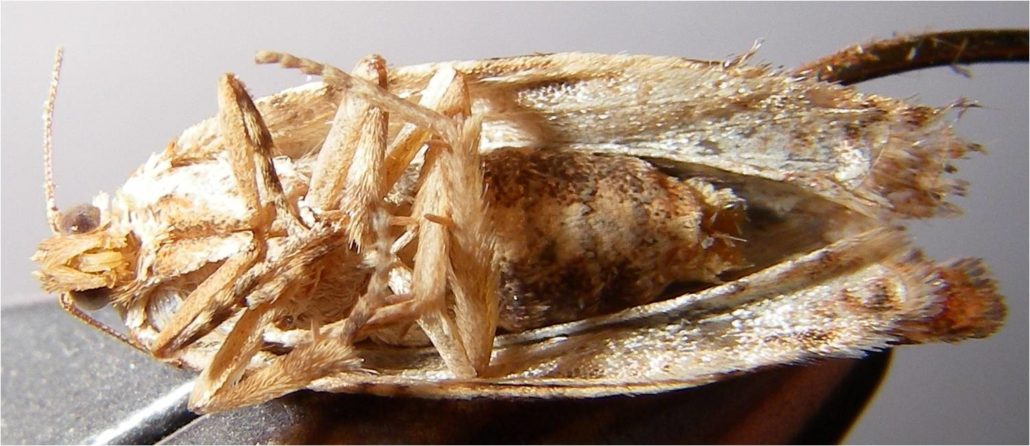
The good news is that the Spruce Moths are here and Mr. fish wants them. Don’t forget that the spruce moth comes from the spruce trees. Find a section of river lined with spruce trees for the best spruce fly action. A tan size 12 or 14 elk hair caddis, X caddis or spruce moth pattern will do the best for you. You can fish the spruce moth all day even on clear hot sunny days. Just find the area in the shade of the spruce trees for the most spruce moth fun.
Afternoon cloud cover has graced us on occasion, and will go a long way in keeping the fish active. Of our area rivers, the upper Gallatin has fished best through the afternoon heat, as its water typically remains relatively cool. The upper Madison is holding up pretty well, but there is a noticeable afternoon lull during days when the sun is out in full force. The Yellowstone is running 1500 CFS above normal for this time a year. The water temperature on the Yellowstone is still pretty good with high water temperatures below Livingston around 68°.
Many anglers are spending the cool morning hours enjoying good fishing on the mainstem rivers, followed by a leisurely lunch in the shade – and maybe a quick nap. Afternoons are spent exploring a productive tributary stream or two. Our high-country streams remain cold, and the fishing is typically excellent throughout the heat of the day and some streams are still hosting insect emergences that have long since come and gone on the lowland rivers (i.e.: drakes). The Yellowstone, Madison, and Gallatin drainages all contain numerous trout streams that are publicly accessible and offer quality trout fishing.
If you’d like to experience the best of SW Montana’s fishing, call today to book one of our experienced guides or stop by the shop and we can get you pointed in the right direction and get you loaded up with the must-have fly patterns.
GALLATIN RIVER FISHING REPORT
The Gallatin is our most consistent option right now, with moderate water temperatures and productive fishing.
Low and clear… typical late summer conditions on the Gallatin. It’s 5x tippet, small nymphs and just the right amount of split shot. Seek out the shady lies and the deep holes… work the fast, oxygenated buckets and troughs thoroughly. Run and gun for a few fish in the pocket water – or if you’re looking to rack up a high fish count, post up at the traditional summer holes until you figure out what the fish are eating. Some days it’s the Flashback Pheasant Tail, Zebra Midge or Little Green Machine… other days it’s a , Lightning Bug, or RS-2. Just about any small (#18 – 20) mayfly nymph will pick up a few fish when presented properly, but there’s always a hot fly of the day (or the hour) that will out-fish other patterns.
Over the coming week a good day for the dry-fly-only crowd will find fish rising to spruce moths in the morning, followed by hoppers in the afternoon along with some caddis activity late in the evening. A stiff breeze will help bring the aforementioned terrestrials to the water… fish into the prevailing wind. For morning action on Spruce Moths, look for stretches of river throughout the canyon and south of Big Sky that have overhanging spruce trees, certain runs throughout the canyon produce good action on moths nearly every morning. For hoppers, you’re generally better off looking to the meadow reaches of the river where grassy banks predominate.
Give us a call today to book a trip to fish the Spruce Moth hatch!
Dries: Spruce Moth #12, Tan Caddis #14 & #12,Chubby Chernobyl (Royal, Purple, Tan) #14-8, Stimulator (Yellow) #14-16, Elk Hair Caddis (Yellow/Olive) #14-16, X-Caddis (Olive) #14-12, Lime Trude #12-16, Royal Wulff, Purple Haze #14-18 , Purple Wulff # 14 & #12.
Nymphs: Green Machine black #18, Green Machine Gray #18, Tungsten Rainbow Warrior #16, CDC Baetis Emerger #18, CDC Pink Emerger # 18 & #16, Pheasant Tail #16-18, Silver Lightning Bug #16-18, Copper John #14-16, Beadhead Yellow Sally #14-16, CDC Emerger #14-18, Shop Vac #16-18, Serendipity (Red/Crystal) #16-18, Zebra Midge (Black/Olive) #18-20
Streamers: Sparkle Minnow #4-6, Bow River Bugger #4-6, Bead Bugger Olive #10 – #6. Be sure to have an array of colors represented in your streamer box including: white, yellow, olive, natural/tan, and black.
UPPER MADISON FISHING REPORT
Nocturnal stoneflies and spruce moths are providing some early morning dry fly action. Terrestrial patterns – including ants and small hoppers – are in play throughout the day. Nymphs and small streamers under an indicator are the top producers.
The Madison continues to fish well, but the bulk of the productivity has been from dawn through late morning. Cloud cover will help extend that window of opportunity, but overcast afternoons have been in short supply recently. The morning bite has been best on nymphs and small streamers dead-drifted or slow-stripped. Dry fly rigs are picking up fish, but not nearly with the efficiency of nymph rigs.
For the dry-fly angler a small attractor or terrestrial pattern fished behind a larger stonefly dry has been the go-to rig. Nocturnal stoneflies are active throughout the float and wade stretches of the upper Madison and fish are responding to stonefly dries, particularly early in the day. A tan, purple, or royal Chubby Chernobyl trailed by a Purple Haze or Spruce Moth will produce fish for those willing to stick with it. For nymphs we’re seeing the best results on small Hare’s Ears, Lightning Bugs, $3 Dips, Little Green Machines, Hogan’s Indigo Child, Hogan’s S&M, Zebra Midges, and San Juan Worms.
Aggressive, spring and fall style streamer tactics aren’t producing consistently, but smaller streamer patterns dead-drifted, swung, or slow-stripped are producing. Variations of the Zonker and Bugger are the go-to patterns and can be trailed by a productive nymph pattern to cover all bases. It often seems that the streamer will attract the attention of fish and the nymph will seal the deal.
Call today to book a float trip on the world-famous upper Madison River.
Nymphs: CDC Baetis Emerger #18, CDC Pink Emerger # 18 & #16, Pats’ Rubber Legs #10, Pheasant Tail #16-18, Silver Lightning Bug #16-18, Shop Vac #16-18, Serendipity (Brown/Red) #16-18, Crystal Dip #16-18, Anato-May #16, Military May #16, Hogan’s S&M #18, Transitional Dun #16-18,
Dries: Spruce Moth #12, Tan Caddis #14 & #12,Chubby Chernobyl (Royal, Purple, Tan) #14-8, Stimulator (Yellow) #14-16, Elk Hair Caddis (Yellow/Olive) #14-16, X-Caddis (Olive) #14-12, Lime Trude #12-16, Royal Wulff, Purple Haze #14-18 , Purple Wulff # 14 & #12.Chubby Chernobyl (Tan, Purple, Royal) #16-#8, Stimulator (Yellow) #14, Elk Hair Caddis (Tan/Olive) #14-16, X-Caddis (Olive) #14-16, Trude (Lime/Adams Grey) #12-16, Purple Haze #14-16
Streamers: Copper Zonker #6 & # 8. Barely Legal, Sparkle Minnow #4-6, Bow River Bugger #4-6. Be sure to have an array of colors represented in your streamer box including: white, yellow, olive, natural/tan, and black.
YELLOWSTONE RIVER FISHING REPORT
The upper river is fishing most consistently,Yankee Jim Canyon providing good dry fly fishing throughout the afternoon hours. The middle and lower reaches of the Yellowstone’s trout water are starting to get warm especially in the afternoon hours .
The nocturnal stonefly hatch is going on in full force on the Yellowstone. In particular the middle and lower reaches of the Yellowstone’s trout water (roughly from Livingston down to Columbus) host a pretty epic nocturnal stonefly hatch.Many of the cobblestone banks adjacent to faster water are littered with stonefly shucks. At dawn and dusk, when these stoneflies are most active, any low-riding stonefly imitation will get some attention.
The nymph fishing has been solid with tandem rigs consisting of a larger lead fly (Wooly Bugger, Pat’s Rubber Leg, Bow River Bugger, Sparkle Minnow or Zonker to name a few). Trailed by a smaller beadhead nymph (Shop Vacs, CDC Pheasant Tails, Serendipities and Lightning Bugs have been productive). But be forewarned that smaller beadhead nymphs are producing lots and lots of whitefish right now. If you want to avoid the whitefish, try sticking with dead-drifted streamers and larger stonefly nymphs. Ripping streamers off the banks has had its moments, but has slowed considerably with the warmer water temperatures and sunny conditions. Smaller streamers dead drifted below an indicator have been finding more success.
Dries: Chubby Chernobyl (Tan, Purple, Royal) #8-10, Stimulator (Yellow) #14, Elk Hair Caddis (Tan/Olive) #14-16, X-Caddis (Olive) #14-16, Lime Trude #12-16, Sparkle Dun (PMD) #16-18, Purple Haze #14-18
Nymphs: Pats’ Rubber Legs #8, Mega Prince #8, San Juan Worm (Red) #12, CDC Pheasant Tail #16-18, Pheasant Tail #16-18, Lightning Bug #16-18, Copper John #14-16, Beadhead Yellow Sally #14, CDC Emerger #14-18, Shop Vac #16, Serendipity (Red/Crystal) #16-18.
Streamers: Sex Dungeon #4, Circus Peanut #4, Barely Legal, Sparkle Minnow #4-6, Bow River Bugger #4-6, Home Invader #2-6, McCune’s Sculpin#4, Gonga #4. Be sure to have an array of colors represented in your streamer box including: white, yellow, olive, natural/tan, and black.
YELLOWSTONE NATIONAL PARK FISHING REPORT
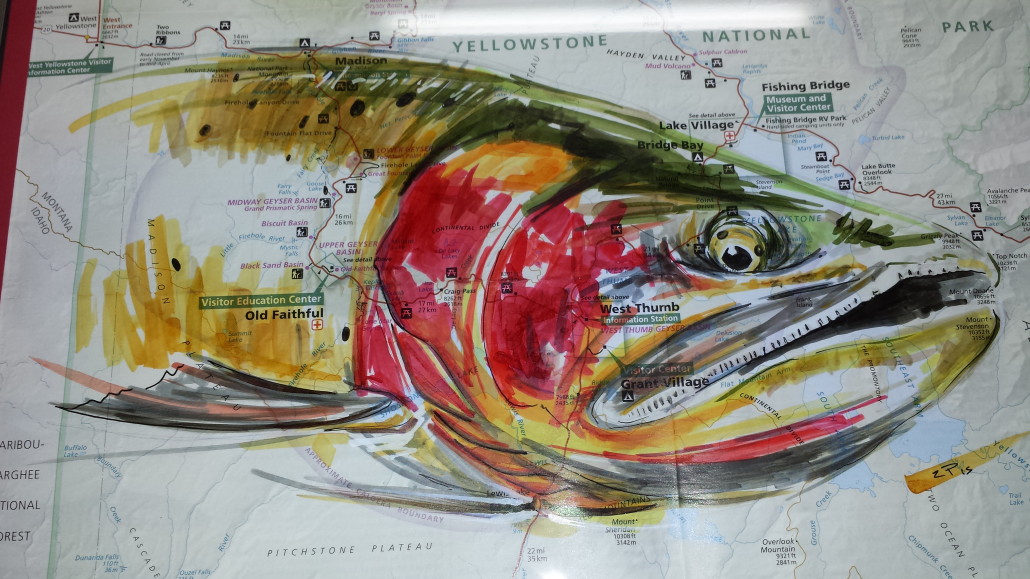
The Yellowstone and its tributaries are fishing very well. The Firehole and Madison have warmed considerably and are not your best choice. The Gibbon remains a productive option on the west side.
The Yellowstone River in YNP is in less than prime summer shape. The water level remains high . The canyon reaches of the river are fishing very well, with a variety of attractor and terrestrial dry fly patterns. The river is now open above the falls, offering anglers opportunities to sight fish to large, native cutthroat. All of the Yellowstone’s tributaries are in great shape with excellent dry fly fishing on Slough and Soda Butte Creeks as well as on the Lamar River.
The Firehole and Madison in the park have warmed considerably and are no longer your best options. The Gibbon River is fishing well along its entire length, providing another option for anglers on the west side of the park.
Give us a call (800-423-4742) to discuss planning your own trip to fish Yellowstone National Park.
Dries: Adams #18-20, Sparkle Dun – Olive (baetis), Yellow (PMD) #18-20, Purple Haze #18-20, Light Cahill #16-18
Nymphs: Pheasant Tail #18-20, Soft-Hackle Pheasant Tail #18-20, CDC Emerger #18-20, Partridge & Olive Soft Hackle #18-20, Lightning Bug #18-20, WD-40 #18-20, RS-2 #18-20, Pat’s Rubber Leg #8

