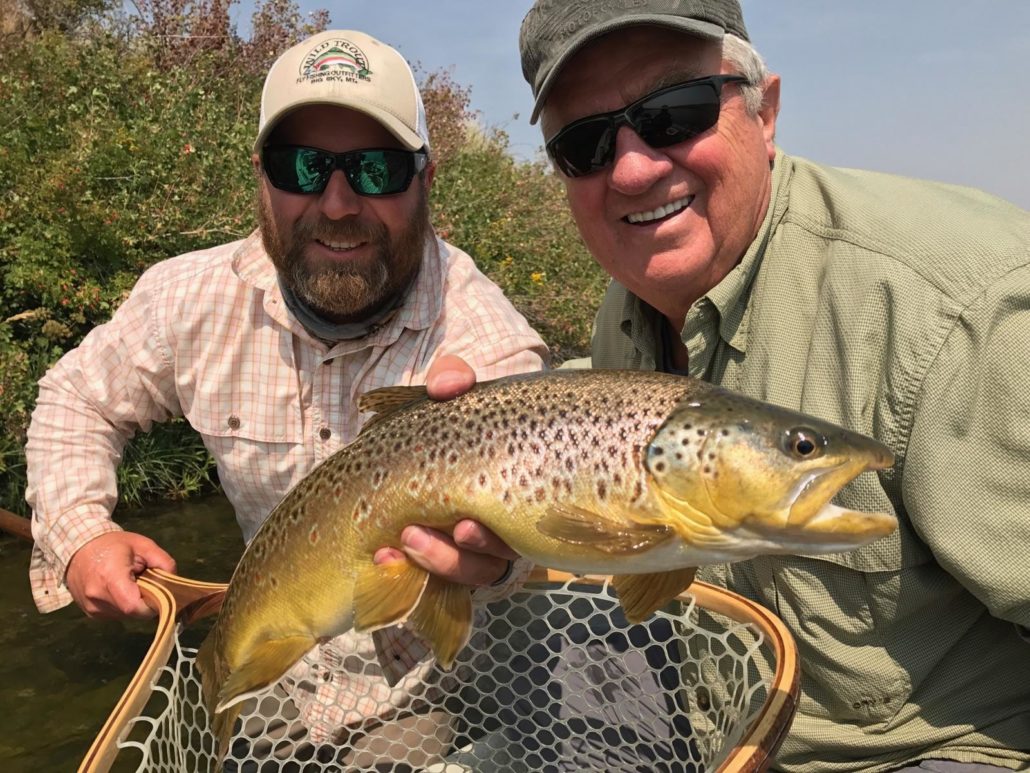
It still feels very much like summer in Big Sky with warm, sunny weather predominating. September is right around the corner though, and is a favored month by many anglers… locals and visitors alike. September is a month of transition in Montana, the days grow shorter, and the nights longer. Frosty mornings give way to beautiful afternoons and we often see our first snow of the season in the high country. The kids are back in school, and as hunting season opens we see less and less pressure on many of our local waters. It’s a fantastic time of year to spend some time knee-deep in a Montana river.
From a fishing standpoint September is a time that finds increased hatch activity on our area rivers, with fall baetis and October caddis enticing trout to rise. Hoppers, Ant’s and Beetles typically remain in play throughout the month, providing additional dry fly opportunities. The nymph bite remains solid, with baetis nymphs and emergers generally being the go-to patterns. But perhaps more than anything else, it is the streamer bite that gets many anglers excited about September fishing. The Madison River in Yellowstone National Park should see its first push of browns and rainbows migrating in from Hebgen Lake. It’s a bit early still to really focus on the fall-run fish, as their numbers are relatively low compared to how many fish will be in the system a month from now – but there are fish to be caught, and the fishing pressure is light. As the month of September progresses the streamer bite gets better and better as the brown trout become increasingly aggressive prior to their spawning season. In fact beginning in mid- to late-September our guides begin focusing almost exclusively on the fall-run of brown trout in and around Yellowstone National Park – it’s an incredible experience.
GALLATIN RIVER FISHING REPORT
The Gallatin is fishing very well. Water temperatures have improved with the recent cool weather. Terrestrial dry fly fishing remains sporadic, but productive at times. Nymphs remain the most consistent action, but we’re also starting to see more fish come to streamers.
We’re moving into fall mode on the Gallatin. With cooler water temperatures in the morning mean that there’s no need for an early start in less you are streamer fishermen. By mid morning the nymph bite is good, primarily with small nymphs. Midge and Baetis nymphs are active in the river, and are an important food source for the river’s fish over the coming weeks. The baetis nymphs and mergers are our top producers right now on any given day. Virtually any small (#18-20) baetis pattern will do the trick, but a few of our favorites include: Pheasant Tail, RS-2, Little Green Machine, Master baetis, Transitional Dun, and Lightning Bug. Midge pupa patterns are effective at this time as well with simple patterns such as the Zebra Midge taking their fair share of fish.
The mainstay terrestrial patterns – hoppers, ants, and beetles – are providing the most consistent dry fly action right now. Hopper eats have been sporadic, and the action is day to day. A windy day on the meadow reaches of the upper river can provide good hopper fishing. Ant patterns have been the most consistent option over the past week or so.
The streamer fishing is improving with the best action coming early and late in the day (when there is no direct sun on the water)… and on overcast days the bite can be productive throughout the day. Smaller sculpin and baitfish patterns have been most productive… think Bow River Bugger, Danny Boy Sculpin, Sparkle Minnow, natural colors have been producing best.
Give us a call today to book a day with one of our professional guides on the blue-ribbon waters of the upper Gallatin River.
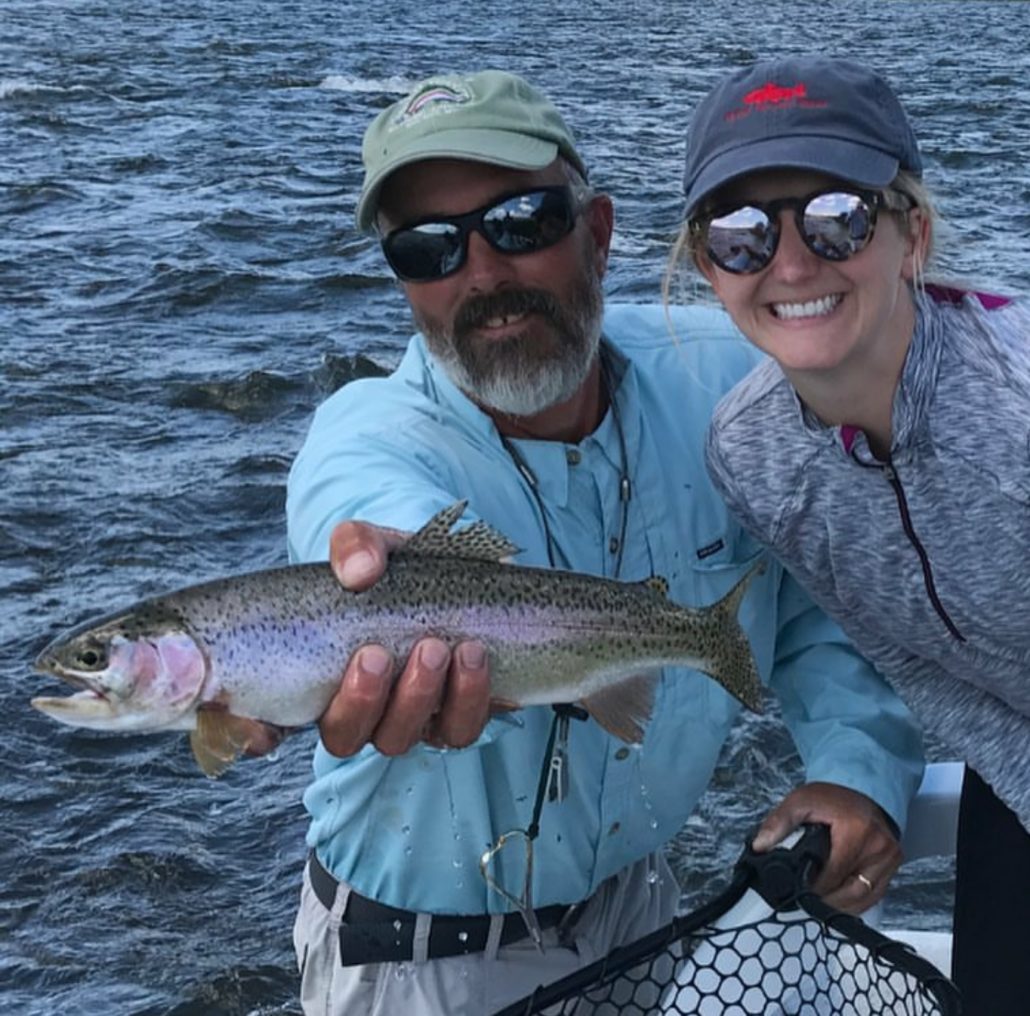
Dries: Dave’s Hopper #8-10, Franken Hopper #10-12, Dave’s Hopper #8-10, Parachute Hopper #8-12, Parachute Ant (Cinnamon & Two-tone) #12-14, Hi-Viz Foam Beetle (#12-16),Royal Wulff #14, Trude (Lime & Adams Grey) #14-16, X-Caddis #14-16, Purple Wulff #12 & #14
Nymphs: RS-II (Grey) #18-20, Little Green Machine #18-20, Pheasant Tail #16-20, Soft-Hackle Pheasant Tail #16-18, sunken Trico #20, Lightning Bug Silver #16-18, CDC Emerger Baetis #16-#20, C.D.C. Pink Emerger #16-#20 Shop Vac #16-18, Serendipity (Red/Crystal) #16-18, Zebra Midge (Black/Olive) #18-20
Streamers: Bead Bugger Black & Olive #6-#10, Bow River Bugger #4-#6,Danny Boy #6, Zonker Pearl & Copper #6 . Be sure to have an array of colors represented in your streamer box including: white, yellow, olive, natural/tan, and black.
UPPER MADISON FISHING REPORT
The upper Madison river has absorbed a lot of fishing pressure over the past couple of months. Nymphs are the go-to tactic for the most consistent fishing. The dry fly fishing has been really good as well.
The Madison River has absorbed a lot of fishing pressure over the past two months. Now that school has started or is getting ready to start the pressure has subsided. Some days lately only a few boats other than yourself. The dry fly bite has been good. Terrestrials are in play on the Madison River. Hoppers, beetles and especially ants. Did I mention ants. You should try and aunt pattern you’ll be glad you did.
For the nymph fisherman Small nymphs and 4x or 5x tippet has been the ticket, with some productivity on stonefly nymphs and small, dead-drift streamers.The top producing nymph patterns have been smaller Caddis, Mayfly nymphs and Midge pupa patterns… along with some small attractor patterns. RS-2’s, Pheasant Tails, Lightning Bugs, Little Green Machines, Transitional Duns, $3 Dips, and various midge pupa patterns.
The streamer bite has been really good at times, particularly during times of cloud cover. We’re starting to see some reactionary strikes on large, articulated patterns – but the most consistent action is still on smaller, single-hook minnow and sculpin imitations.
Call today to book a float trip on the world-famous upper Madison River.
Dries: Chubby Chernobyl (Tan, Royal) #8-10,Royal Wulff #14 & #12,Dave’s Hopper #8-#10, Parachute Hopper #8-12, Parachute Ant (Cinnamon & Two-tone) #12-14, Hi-Viz Foam Beetle (#12-16), Purple Haze #12-18
Nymphs:Black Serendipity Bead #16, Pheasant Tail #16-18, Silver Lightning Bug #16-18, Shop Vac #16-18, Crystal Dip #16-18, Anato-May #16, Military May #16, Hogan’s S&M #18, Transitional Dun #16-18, San Juan Worm (Red) #12
Streamers: Circus Peanut #4, Barely Legal, Sparkle Minnow #4-6, Bow River Bugger #4-6. Be sure to have an array of colors represented in your streamer box including: white, yellow, olive, natural/tan, and black.
YELLOWSTONE RIVER FISHING REPORT
The Yellowstone River is in great shape and float fishing using hoppers and attractors can be very productive.
We’ve been having some good days on the Yellowstone River so far this summer. Our guides have been throwing large attractors, terrestrials, and dry dropper rigs. Each day is different on the Yellowstone with dry flies working one day and nymphs working others. The key is to cover a lot of water and give Mr. fish what he wants the day you are there.
If you’re fishing the Yellowstone, be sure to inspect, clean and dry your gear prior to fishing other waterways.
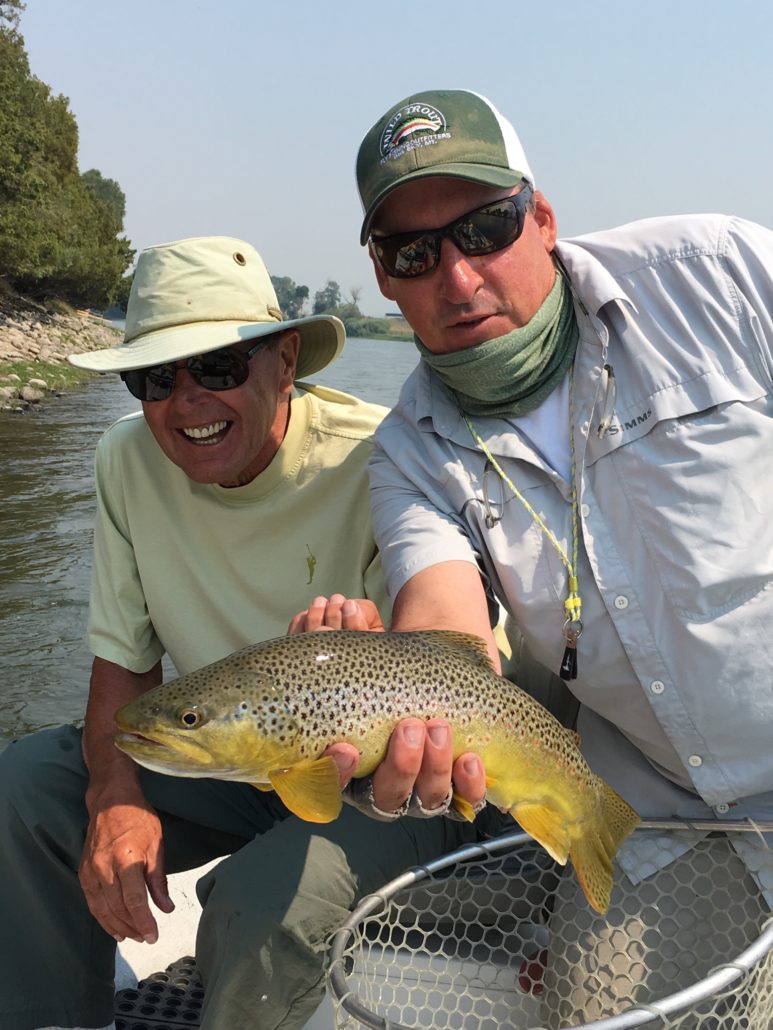
Dries: Chubby Chernobyl (Tan, Purple, Royal) #8-10, Stimulator (Yellow) #14, Elk Hair Caddis (Tan/Olive) #14-16, X-Caddis (Olive) #14-16, Lime Trude #12-16, Sparkle Dun (PMD) #16-18, Purple Haze #14-18
Nymphs: Pats’ Rubber Legs #8, Mega Prince #8, San Juan Worm (Red) #12, CDC Pheasant Tail #16-18, Pheasant Tail #16-18, Lightning Bug #16-18, Copper John #14-16, Beadhead Yellow Sally #14, CDC Emerger #14-18, Shop Vac #16, Serendipity (Red/Crystal) #16-18.
Streamers: Sex Dungeon #4, Circus Peanut #4, Barely Legal, Sparkle Minnow #4-6, Bow River Bugger #4-6, Home Invader #2-6, McCune’s Sculpin#4, Gonga #4. Be sure to have an array of colors represented in your streamer box including: white, yellow, olive, natural/tan, and black.
YELLOWSTONE NATIONAL PARK FISHING REPORT
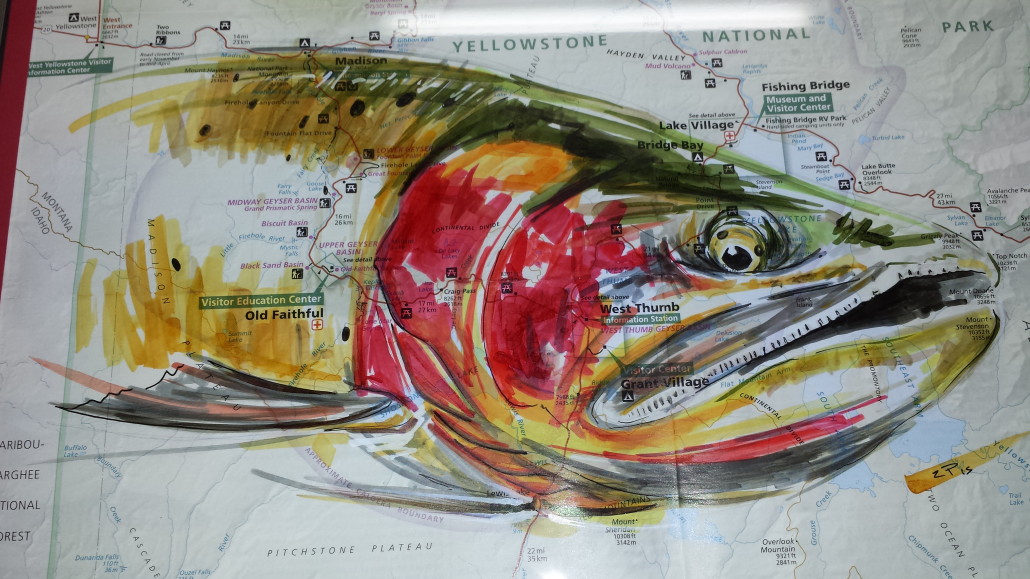
The Yellowstone and its tributaries are fishing very well. Water temperatures on the Firehole and Madison have decreased substantially over the past few days. Sporadic reports of anglers catching fall migrating fish in the Madison have surfaced.
The Yellowstone River and its tributaries throughout Yellowstone National Park are OPEN to fishing.
The canyon reaches of the Yellowstone River are fishing very well, with a variety of attractor and terrestrial dry fly patterns. The river is now open above the falls, offering anglers opportunities to sight fish to large, native cutthroat. All of the Yellowstone’s tributaries are in great shape with excellent dry fly fishing on Slough and Soda Butte Creeks as well as on the Lamar River.
The Firehole and Madison in the park have cooled off quite a bit thanks to the cool, wet weather we’ve had recently. Migratory fish have started moving into the Madison River from Hebgen Lake, but it’s early and they are few in number. The Gibbon River is fishing well along its entire length, providing a good option for anglers on the west side of the park. It won’t be long before this system is harboring fall-run browns and rainbows from Hebgen Lake… our guides will begin focusing almost exclusively on these fisheries in mid- to late-September until the park closes in early November.
Give us a call (800-423-4742) to discuss planning your own trip to fish Yellowstone National Park.
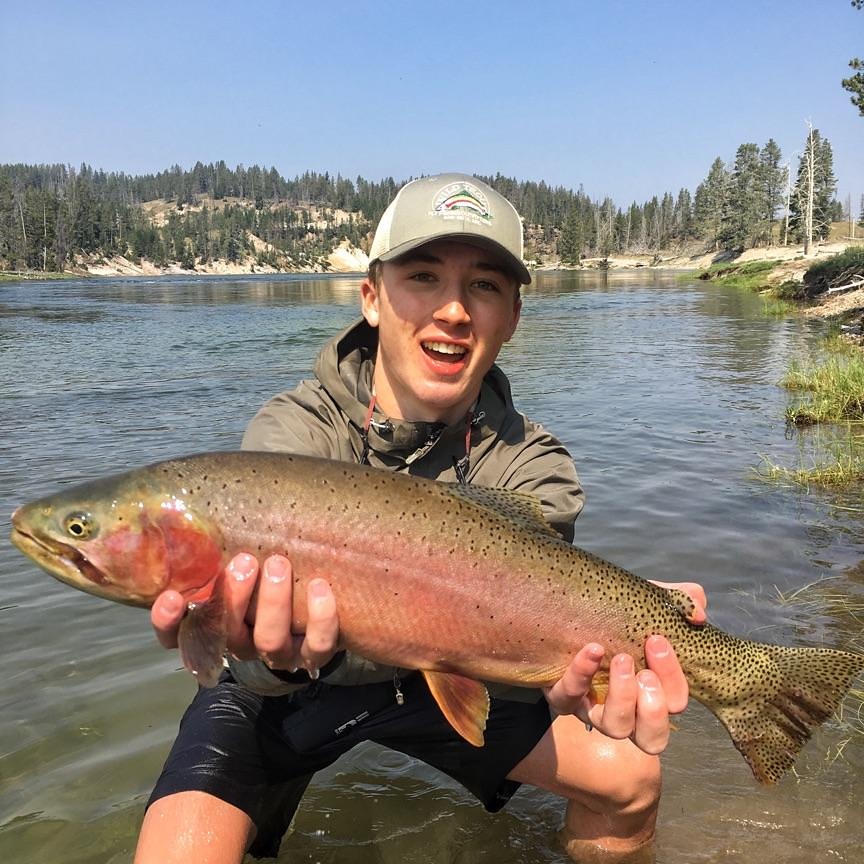
Dries: Adams #18-20, Sparkle Dun – Olive (baetis), Yellow (PMD) #18-20, Purple Haze #18-20, Light Cahill #16-18
Nymphs: Pheasant Tail #18-20, Soft-Hackle Pheasant Tail #18-20, CDC Emerger #18-20, Partridge & Olive Soft Hackle #18-20, Lightning Bug #18-20, WD-40 #18-20, RS-2 #18-20, Pat’s Rubber Leg #8

